
Beaches are not empty spaces.
They are dynamic ecosystems shaped by sand movement, vegetation, wildlife, and human use.
Understanding how they function — and what the law allows — helps protect both nature and your right to enjoy the coast.
Carrying capacity describes how many people a beach can sustain without degrading its ecological balance or reducing the quality of the visitor experience.
It considers space, environmental sensitivity, and management capacity.
When carrying capacity is exceeded, beaches lose biodiversity, natural dynamics are disrupted, and public space becomes overcrowded.
Not all beaches are equal.
Some host nesting sea turtles (Caretta caretta), rare dune vegetation like Pancratium maritimum, or sensitive coastal habitats protected under Natura 2000.
These ecosystems are fragile and recover slowly once disturbed.
A Natura 2000 beach is part of the European network of protected areas.
These sites protect important habitats and species under EU law.
Activities are allowed — but they must not damage the ecological integrity of the site.
Beach management in Greece is shaped by national legislation, municipal authorities, and environmental protection frameworks such as Natura 2000.
Local municipalities may lease parts of the beach, but they must comply with environmental laws, public access rules, and ecological restrictions.
Scientific tools — like carrying capacity assessments — help inform better decisions.
Untouched beaches (Απάτητες Παραλίες) are areas where organized infrastructure such as beach bars, umbrellas, and commercial leasing is prohibited.
They are designated due to high ecological value or environmental sensitivity.
Their purpose is to preserve natural coastal landscapes and biodiversity.
The “Towel Movement” (Κίνημα Πετσέτας) is a citizen-led initiative advocating for free and unobstructed public access to beaches.
It highlights cases where excessive sunbed leasing restricts lawful public use of the shoreline.
The movement promotes awareness of legal rights and environmental responsibility.
This is important for your positioning — you’re not anti-business, you’re pro-balance.
Yes.
Greek law guarantees free and unobstructed access to the seashore and beach.
Commercial leasing cannot block public movement or fully cover the coastline with sunbeds.
Overuse leads to:
• dune erosion
• vegetation loss
• wildlife disturbance
• water quality decline
• reduced visitor experience
Beaches are resilient — but not infinite.
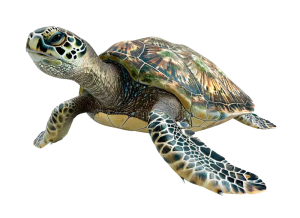
These beaches are part of the European Natura 2000 network. They protect rare habitats and species while allowing carefully regulated human use.
Untouched beaches are legally designated areas where organized tourism is not allowed. They preserve fragile ecosystems and remain free from commercial exploitation.