Natura 2000

Natura 2000 is Europe’s most ambitious attempt to preserve its natural legacy. Created under the Birds Directive (1979) and the Habitats Directive (1992), it forms the largest coordinated network of protected areas worldwide. Its goal is not to exclude people from nature, but to ensure that human activity and biodiversity conservation can coexist in balance. Today, Natura 2000 covers more than 27,000 sites across the European Union, including both terrestrial and marine/coastal areas.
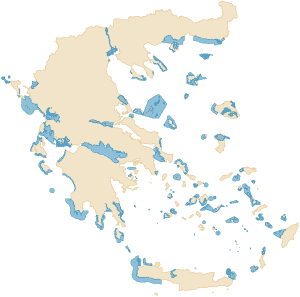
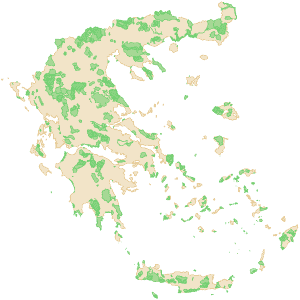
Coastal and marine Natura 2000 sites in Greece focus on the fragile border where land meets sea. They include sandy dunes, rocky shores, wetlands, lagoons, and extensive marine zones shaped by dynamic ecological processes.

Greece includes 174 marine Natura 2000 sites, protecting key coastal and marine habitats and species of European importance.

Terrestrial Natura 2000 sites include forests, wetlands, grasslands, and mountainous landscapes across the mainland and islands. Many are linked to traditional cultural landscapes that support biodiversity.

Greece includes 272 terrestrial Natura 2000 sites, safeguarding land-based ecosystems and ecological connectivity nationwide.

Why Coastal Natura 2000 Sites Matter

Protect
Biodiversity

Safeguards rare habitats and endangered species that depend on healthy coastal ecosystems.

Maintain Ecosystem Services

Supports natural processes like water purification, carbon storage, and shoreline stabilization.

Support Sustainable Tourism

Encourages low-impact recreation that respects ecological limits and protects natural landscapes.

Strengthen Climate Resilience

Enhances the coast’s ability to adapt to erosion, sea-level rise, and extreme weather events.